From 2027, P&DAA membership will run for the calendar year. It goes on sale on 1 December, valid from 1 January to 31 December.
The 2026 season was a short one, 16 June to 31 December, because that was the changeover. Renewing in December means you are covered from the first day of January with nothing to think about, and you can fish the New Year floods on a ticket you already hold.
The prices are below. The full rate is fixed until 2031.
In focus
Prices for 2027
Full membership for 2027 is £40, and it will still be £40 in 2031.
We are fixing the price for five years.*
That is a full calendar year on around 12 miles of the Nene and
several miles of the Welland, at an association named Angling Times Club
of the Year in 2023 and 2025.
Membership
Membership
2027
Full
£40
Full, 65 and over
£28
Full, junior 0 to 17
Free
Ferry Meadows only
£30
Cambridgeshire rivers only
£30
Lincolnshire rivers only
£30
The single-area tickets are for members who fish one area and nothing
else.
* The five-year fix is the full rate. The senior rate rises £3 a year, reaching the full rate in 2031. From
then there is one adult rate. Juniors stay free.
The Ferry Night Permit runs twelve months from the day you buy it,
and allows up to two consecutive nights at a time.
Day tickets
From 1 January, day tickets for anglers 18
and over are £7 booked in advance and £12 on the day.
All anglers must hold a valid and suitable Environment Agency rod
licence.
Coming up
Ferry Feeder Cup 2027
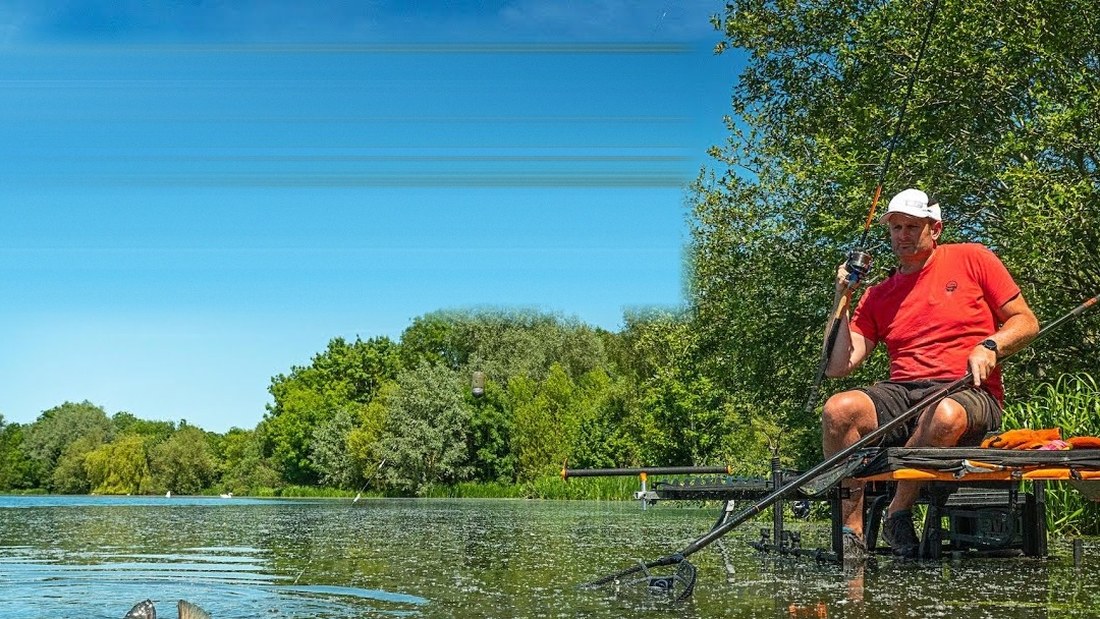
Image courtesy of Steve Ringer.
Tickets go on sale in January. The first prize is £5,000 again, and
the final is two days for the first time.
Both lakes are in the qualifiers. Gunwade and Overton fish differently
enough that qualifying on one has never told you much about the other, and
a two-day final rewards the angler who can read both rather than the one
who drew well on the day.
The 2026 qualifiers sold out faster than anyone expected and the 2025
round before them went the same way. If you want a peg, be ready in
January rather than February.
Dates and the booking link go on the events
calendar, and you can subscribe to it so every round lands in your own
calendar.
Dates for the diary
Matches this winter
The Town Welland winter series at Spalding. Six matches, every other
Sunday from the first weekend in January through to the middle of March.
The draw is at 8.00 in Holland Road car park, with fishing from 10.00 to 15.00.
Sunday 3 January
Sunday 17 January
Sunday 31 January
Sunday 14 February
Sunday 28 February
Sunday 14 March
Entry is £26 a match, booked online through the website or in the
P&DAA app. All six are on one booking page. They are on the events calendar
too, and you can subscribe to it so every match lands in your own calendar
automatically.
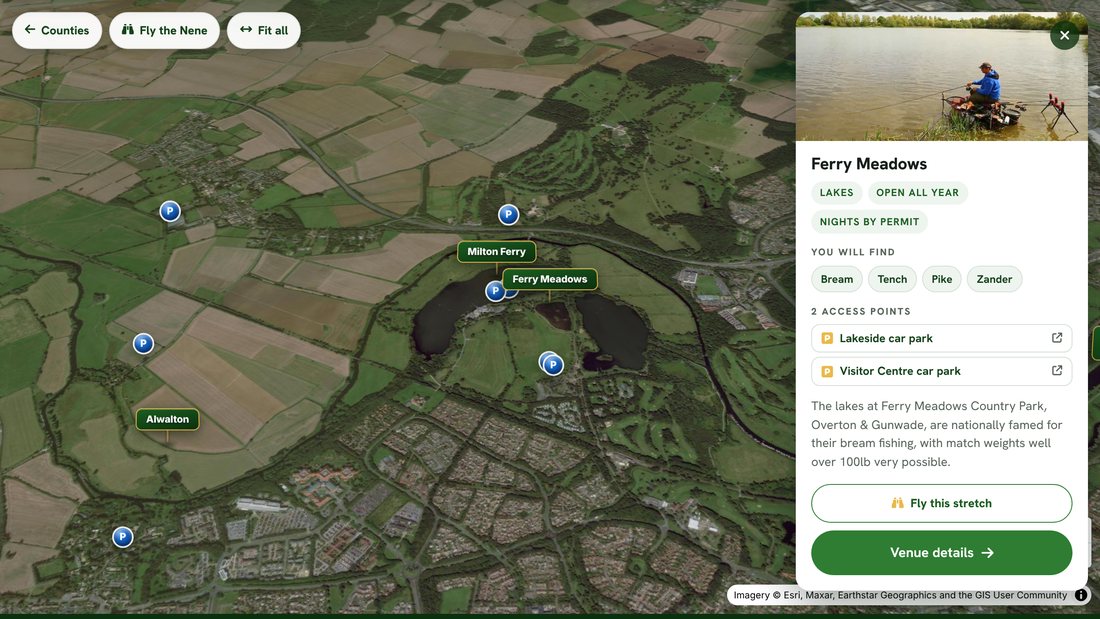
Every P&DAA water is now on one aerial map you
can fly over. All sixteen, twelve in Cambridgeshire and four in
Lincolnshire, at Explore P&DAA in 3D.
Pick a county and the map tilts down over the water, with a sign
on the bank at each venue. Tap one for its photograph, the species
you'll find there, and every car park and access point, each with a
link that gives you directions.
“Fly this stretch” takes you along one water, low and slow. It
follows the stretch as we've mapped it, so you see the bends, the
tree line and the walk from the car park before you've loaded the
car. “Fly the Nene” and “Fly the Welland & Eau” tour a whole
river, venue by venue. Touch the map and the tour stops, so you can
look at whatever caught your eye.
It's most useful for a water you haven't fished yet. Every venue
page has a “See this water from the air” link that opens it in the
explorer.
If you're weighing up one of the new single-area tickets for 2027,
fly the area first.
The fisheries report
A mark of success
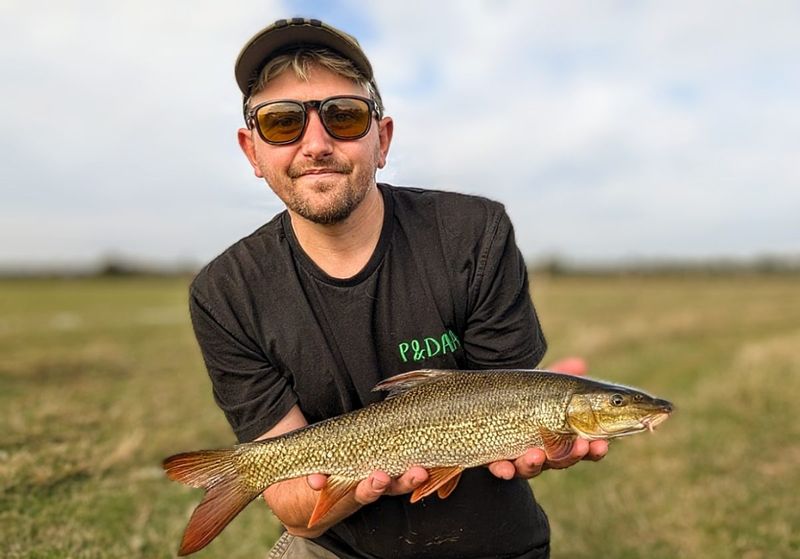
The seals took roughly 95% of the adult fish across large stretches of our venue. Members are
now catching young barbel with a blue mark on the belly, and every one of those is proof that our young stock
is growing, feeding and outsmarting predators.
The Environment Agency marks them. The barbel came from its Calverton Fish Farm and each was given a
harmless blue dye mark on the ventral side before release, so we can follow growth, movement and survival
rather than guess at them.
Juvenile stocking can lose over 90% of a batch to poor fry survival, washouts and predation. To
shorten those odds we hinged and pinned bankside trees into the margins for cover, planted the shallows
heavily, and started cleaning the spawning gravels for when these fish are old enough to use them.
Members are doing the monitoring. Scaling down to smaller hooks and lighter lines to catch these fish safely,
then logging every blue mark.
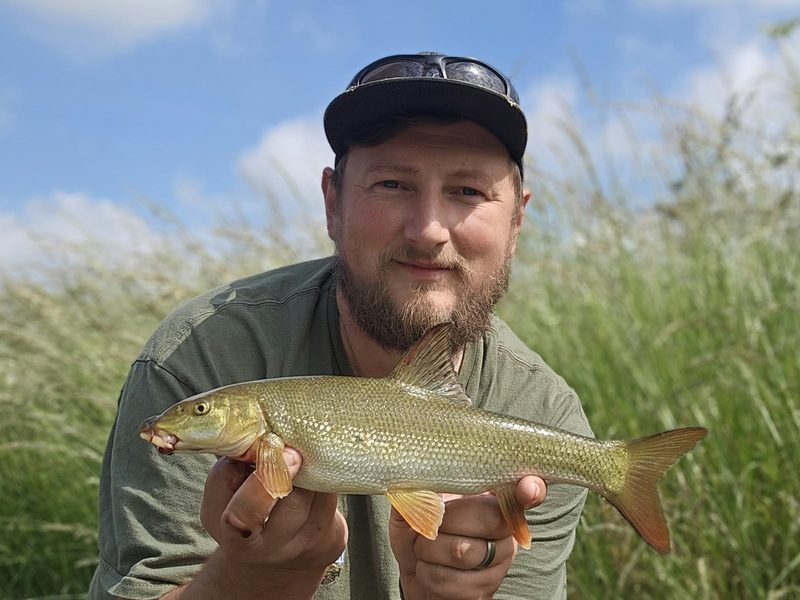
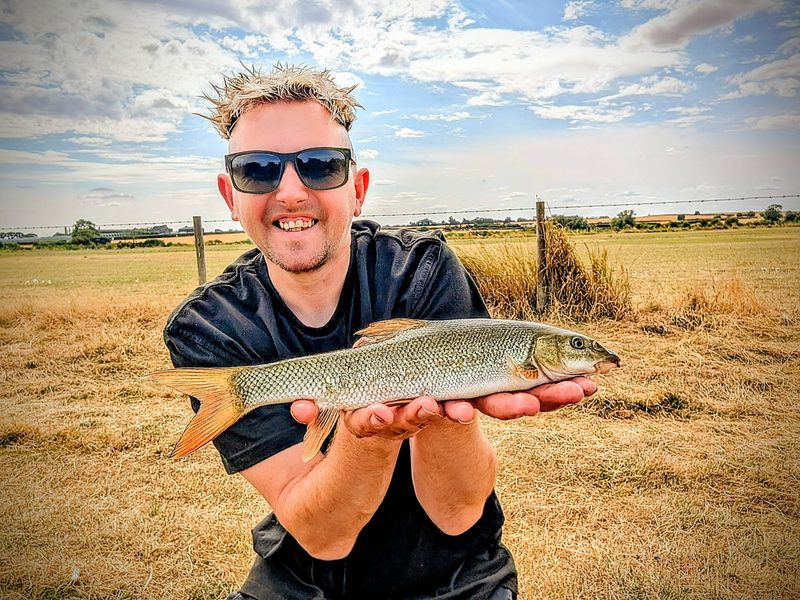
Young barbel from the Nene, caught on scaled-down tackle and returned.
Olly Rodgers Head of Fisheries, P&DAA
Campaigns
No more removal of coarse fish
P&DAA makes and enforces the rules on its
own waters. The law that applies to every water in England is set nationally
and cannot be changed locally, so the Association campaigns on it directly
and submits in its own name.
P&DAA is campaigning for the removal of the daily allowance to take
coarse fish from rivers in England.
The Fish Removal (Rod and Line) Byelaws came into force on 1 June 2010
under the Water Resources Act 1991. Byelaw 3(i) allows any angler to take
from a river, stream or drain, each day, fifteen fish up to 20cm, one pike
up to 65cm, and two grayling between 30cm and 38cm. Byelaw 3(ii) covers
stillwaters and canals, where no fish may be removed at all without the
written permission of the owner or occupier.
Every water in England is owned or controlled. The byelaw recognises that
on stillwaters and canals and sets it aside on rivers. The allowance
conflicts with the rules of almost every club and fishery in the country,
which require all fish to be returned.
Our bailiffs are regularly met with the GOV.UK figures as a claimed
entitlement. The byelaws set a maximum. They confer no right to take fish
from any water.
The byelaws state no purpose and contain no provision relating to bait.
On 16 October P&DAA asked the Environment Agency, under reference
EIR2026/49836, for the consolidated text of the byelaws, for any instrument
amending them since 2010, and for the date and reference of their
confirmation by the Secretary of State.
The Agency replied on 12 November. It confirmed that “no further
amendments have been made to these byelaws since they came into force on 1
June 2010”, and that the modifications made when the byelaws were confirmed
“have not been incorporated into a separate consolidated version of the
byelaw text”. Sixteen years on, the law has never been published as a single
document. What anglers read instead is a GOV.UK summary, and that summary
does not match the instrument.
P&DAA is asking for three changes. Delete the daily take allowance in
byelaw 3(i). Widen the final paragraph of byelaw 3, which already exempts a
fish returned alive or held in a keepnet, so that it also covers retaining a
fish for use as bait on the water it came from. Keep the existing route by
which the Agency can give a fishery owner written permission to set the
requirements aside, so that a genuine case, including commercial deadbait
supply, is made to the Agency by the fishery rather than held by every angler
on every river. The request has been submitted to the Agency and published in full, and P&DAA has asked the Angling Trust and Fish Legal to support it.
The purpose is to remove a conflict. Club rules require all fish to be
returned, but those rules are contractual and the only sanction a club holds
is expulsion. Beyond that the sole route is a theft provision from 1968 that
is rarely pursued, and the Agency will not act because nothing in its own
byelaw has been broken. A bailiff is left holding a club rule with no
criminal backing, facing an angler holding up a government page that says he
may take fifteen fish. Delete the allowance and our rules and the national
byelaw would say the same thing.
This is not an attack on livebaiting and it is not being put forward as
one. Anglers who use live or dead baits should read that second change
carefully. P&DAA is asking for bait to be retained rather than taken,
which puts it outside this byelaw instead of inside it. Nothing in the ask
changes where a bait may be used. Moving a live fish between waters is
already an offence under the Keeping and Introduction of Fish Regulations
2015, and the same-water rule is the law today.
Bait is the only argument anyone has advanced for keeping the take
allowance, and it does not need it. Retention on the same water delivers the
bait and carries none of the damage. What the allowance does beyond that is
permit the permanent removal of fish from rivers already under pressure, cut
across the rules of almost every fishery in the country, and sit against
both national fisheries strategy and the welfare standards anglers now hold
themselves to. Angling should not be anchored to a take mechanism it has no
need of.
The ask does not touch game fishing. Trout and salmon are not in this
byelaw and the allowance has never applied to them.
Grayling is the exception. It sits on a coarse fish list under a slot
limit that reads like a game fish rule, two fish between 30cm and 38cm. It
should be one or the other. If grayling stays on
the coarse list then removal goes with the rest of that list, and if it is a
game fish it should come off the list and be dealt with where game fish are
dealt with. Either way the two-fish allowance goes. Grayling are in the vast
majority returned: the Grayling Society’s own angling code advocates catch
and release while the byelaw says anglers may take two, and P&DAA is
asking for the law to stop contradicting both the sport’s own body and what
nearly every grayling angler already does.
Angling Times last examined these rules in April 2022. Neville Fickling
called the pike allowance “a throwback to when people ate coarse fish.
Those days are done, so it probably needs throwing out.” The piece also
reported his caution against scrapping the allowances altogether, on the
basis that small permitted takes let anglers collect bait and let angling
be defended as a source of food rather than only recreation.
The retention provision answers the bait point. P&DAA refuses the
other one. If the case for angling is that we are less cruel because we
kill things, we have gone wrong somewhere. Angling is not catching for
cruelty. It is a day outdoors, and a fish briefly in the hand to be
admired and slipped safely back.
The work on these rivers is done by volunteers. They plant the margins,
clean the gravels and walk the banks.
Section 6(6) of the Environment Act 1995 puts the Environment Agency
under a duty to maintain, improve and develop freshwater fisheries. A
byelaw that permits what those fisheries’ own rules forbid does not serve
that duty. It should go.
Members who have been given the GOV.UK figures on the bank should report
it to the bailiff team. If you hold water elsewhere,
add your support here and
tell the Association how the allowance works there. If you know a club that
does, send them the link.
In brief
Worth knowing
2027 membership
On sale 1 December, valid 1 January to 31 December. £40 full, £28 for 65 and over, free for under-18s. Buy membership
Rod licence renewals
Your EA rod licence runs from the date you bought it, not the calendar year. Check yours before January. Buy at GOV.UK
Seen something wrong?
Poaching, pollution or fish in distress: report it and it reaches the bailiff team in minutes. For pollution, ring the EA first on 0800 80 70 60. Report an incident
Fishing in flood
Winter levels change fast on the Nene. Check river conditions on the homepage before you set off, and do not wade to reach a swim you cannot leave.
Recent catches
Four from our waters
Team P&DAA
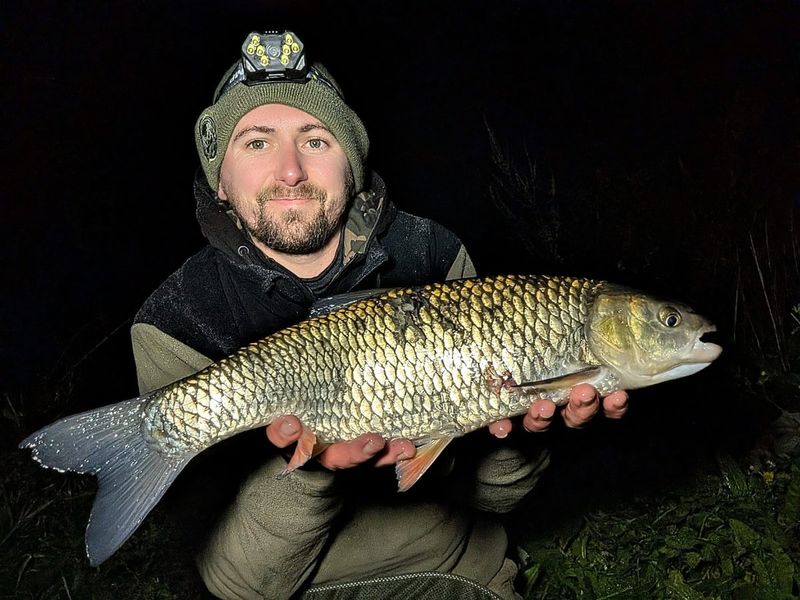
4lb 2oz chubJake Cunnington · Alwalton · 4 November
Team P&DAA
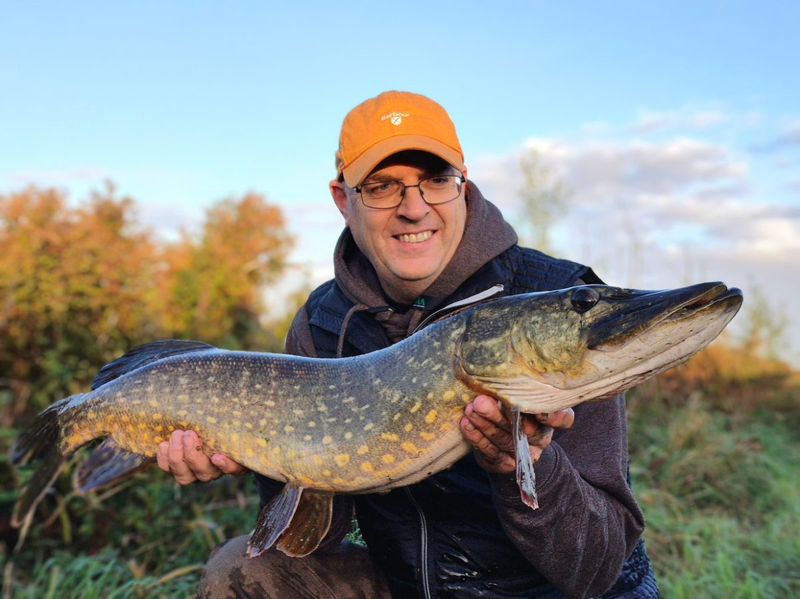
14lb pikeMartin Barnatt · River Welland · 30 October
Team P&DAA
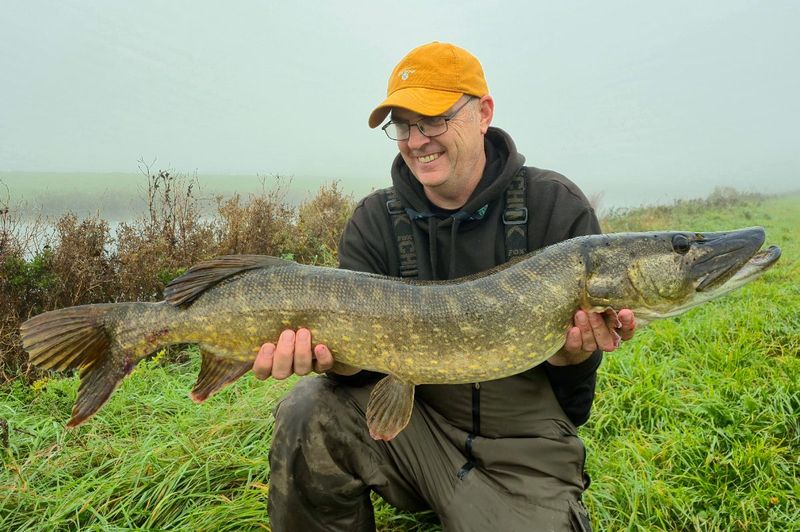
12lb pikeMartin Barnatt · River Welland · 23 October
Team P&DAA
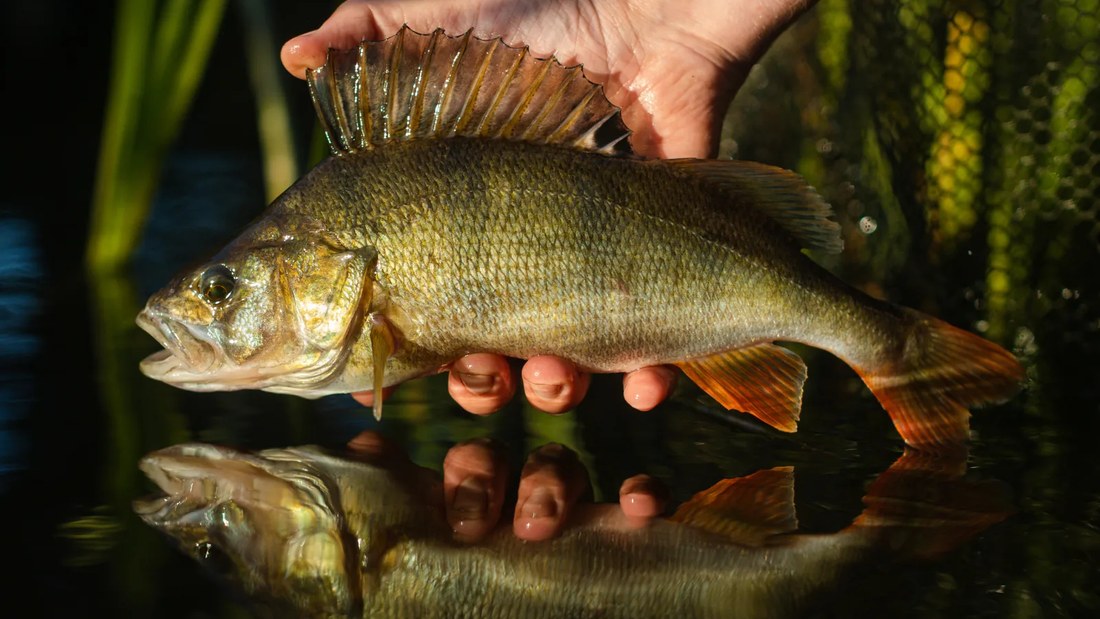
1lb 9oz barbelJake Cunnington · Wellington Fishery · 3 October
Most of the damage done to a pike happens in the first half minute on the
bank, and most of that comes down to kit that wasn't ready or a strike that came
too late. The Pike Anglers' Club sets out how to do it properly in its code of
conduct, and most of what follows comes from it.
Before you cast
Get the kit out first: a knotless landing net of at least 42 inches, a big
unhooking mat or cradle, forceps or long-nosed pliers of 10 inches or more, and
long-reach cutters for the hook you can't get at. Wet the mat. If you're new to
pike, wear a leather gardening glove until you're confident handling them.
Bait fish on a wire trace of at least 30lb and 18 inches, never a mono or
fluorocarbon one. Semi-barbless trebles, or barbs crushed flat, in sizes 4 to 6.
On a legered deadbait, put the top treble in the root of the tail and the other
no further forward than the dorsal fin.
When it runs
Fish with a drop-off indicator, an alarm or a float, never free-lined, and never
walk away from the rods. Strike at the first sign of a run. A missed pike is
better than a deep-hooked one, and letting a run develop is how trebles end up
down the throat.
On the mat
Net it rather than beach it, and get it on the mat quickly. Lay it on its back,
slide your fingers in under the gill cover and along the lower jaw, clear of the
gill rakers, and lift slightly so the mouth opens. Take the trebles out with the
forceps in your other hand. Never use a gag or a lip grip. If a hook won't come,
cut it rather than tear it: hooks can be replaced and pike can't.
Weigh it in a sling, never on the scales' hook under the chin. For a photo,
kneel low over the mat with one hand under the jaw and your other arm under the
belly by the vent, so its weight is spread. Don't hold it the way you'd hold a
carp.
Back in the water
Hold it upright, facing into the current on the river, and wait. Let it go when
the fins start working and it kicks away under its own power. A tired fish can
rest in the landing net or a pike tube, never in a carp sack.
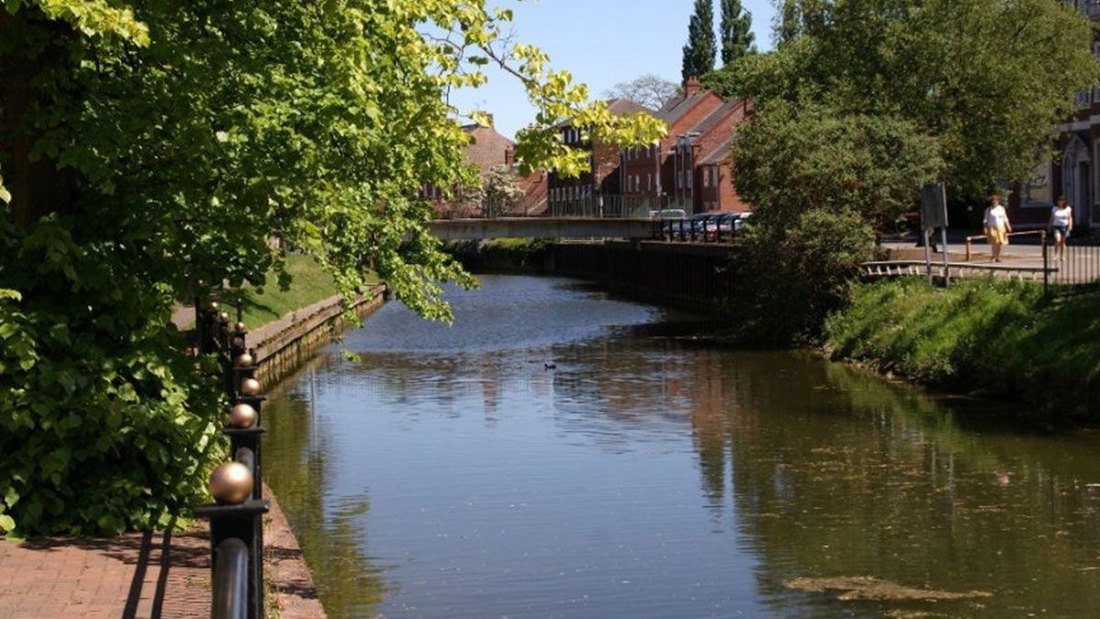
Roach move into Spalding town centre when the first frosts arrive.
The water is a degree or two warmer between the buildings, and cormorants
will not follow them in there. Fish that spend the summer scattered
through the system pack into a stretch you can walk in twenty minutes.
That is why the town has a reputation out of all proportion to its
size. In a good winter, pleasure anglers take 40lb nets of roach with fish
to a pound and a half. A 49-peg match at the end of December 2023 weighed
in 1,410lb, an average of 28lb 10oz, and 45lb was needed to make the top
five.
Bread punch first, then try pinkie over groundbait. Nothing here has
changed in fifty years and nothing needs to.
We took on the fishing rights in 2023, when the water was under real
pressure from poaching and predation with nobody watching it. Regular
bailiff cover is the difference, alongside South Holland District Council
and the Environment Agency.
Fish it between now and February. It is at its best when everywhere
else is unfishable.
And finally
See you in January
That is the year. Thank you to everyone who fished with us, sent in a
catch, sat a bailiff shift or turned up to a work party. The Association
runs on people doing those things, and a lot of them did.
The next issue is out in the new year. The rivers will be up, the roach
will be in the town, and we will see you on the bank.
From P&DAA
School Of Fish and Hydroscape
School Of Fish
A coaching school for anglers, run on our waters. Adults and juniors, complete beginners welcome, and your first session is free. Book a session
Hydroscape
Free biodiversity and water quality reporting for anglers and fishery managers. Record what you see at the water in 30 seconds. hydroscape-group.co.uk
Volunteer with P&DAA
P&DAA runs on volunteers
Always seeking bailiffs, coaches, maintenance volunteers, committee members and match organisers. Get in touch at support@fishinginpeterborough.co.uk.